How to Run Google Ads for D2C Ecommerce Brand
Running paid ads without a strategy is like burning money. For direct-to-consumer (D2C) brands, investing in professional google ads management services is no longer optional — it is a growth imperative. Whether you are just launching or looking to scale, understanding how Google Ads works specifically for D2C is the first step toward building a profitable paid acquisition engine.
This guide breaks down everything you need to know — from campaign structure to bidding strategies — so your brand can compete and win in the paid search landscape.
Why D2C Brands Need Dedicated Google Ads Management Services
D2C brands operate differently from traditional retailers. You own the customer relationship, the data, and the margin — but you also absorb the full cost of acquisition. This is precisely why working with specialized google ads management services makes a tangible difference.
A generic PPC approach will not cut it. D2C success on Google requires:
- Deep understanding of customer lifetime value (LTV)
- Product feed optimization for Shopping campaigns
- Funnel-aligned ad messaging for cold, warm, and hot audiences
- Continuous testing of creatives, keywords, and landing pages
Without these elements, even a generous ad budget produces underwhelming returns.
Setting Up Your Google Ads Account for D2C Success
Step 1: Define Your Campaign Goals
Before spending a single rupee or dollar on ads, define what success looks like. For most D2C brands, the primary goal is purchase conversions. Secondary goals might include add-to-cart events, email sign-ups, or first-time buyer acquisition. Clear goals directly influence campaign type, bidding strategy, and budget allocation.
Step 2: Structure Your Campaigns Properly
Campaign structure is the backbone of account performance. A well-organized account allows you to control budgets, test messaging, and analyze data efficiently. For D2C ecommerce brands, the recommended structure typically looks like this:
- Brand campaigns — capture high-intent searches for your own brand name
- Non-brand search campaigns — target category and product keywords
- Google Shopping campaigns — showcase products with images and pricing
- Performance Max campaigns — let Google's AI find conversions across all channels
- Remarketing campaigns — re-engage users who visited but did not purchase
Step 3: Install Conversion Tracking
Accurate conversion tracking is non-negotiable. Without it, Google's algorithm cannot optimize for the outcomes that matter to your business. Set up purchase tracking via Google Tag Manager, and ensure you are passing revenue values so the system can optimize for return on ad spend (ROAS) rather than just volume.
Choosing the Right Campaign Types for D2C Ecommerce
Google Shopping Campaigns
For product-based D2C brands, Shopping campaigns are often the highest-converting campaign type. They display your product image, title, price, and store name directly in search results — before users even click. A well-optimized product feed is the foundation here. Prioritize:
- Descriptive, keyword-rich product titles
- High-resolution images with clean backgrounds
- Accurate pricing and availability data
- Custom labels to segment high-margin or best-selling products
Performance Max (PMax) for Ecommerce
Performance Max consolidates all Google inventory — Search, Display, YouTube, Shopping, Gmail, and Maps — into one campaign. For D2C brands with strong creative assets and solid conversion data, PMax can deliver incremental reach beyond traditional campaigns. Feed it with diverse headlines, descriptions, images, and videos for best results.
Search Campaigns for High-Intent Keywords
Branded and non-branded search campaigns capture users actively looking for what you sell. Focus on transactional keywords — terms that signal buying intent — rather than broad informational queries. Use exact and phrase match types to maintain control while still capturing relevant traffic.
Smart Bidding Strategies That Work for D2C Brands
Choosing the right bidding strategy is where many D2C brands either scale profitably or bleed budget. Here is a practical overview of bidding approaches aligned to different business stages:
Target ROAS (tROAS)
Best for: Brands with sufficient conversion history (50+ conversions/month). Set a ROAS target and let Google's machine learning optimize bids at the auction level. Start conservatively and adjust based on actual performance data.
Maximize Conversions
Best for: New campaigns or accounts with limited historical data. This strategy spends your budget to get as many conversions as possible, which helps build the data needed to shift to smarter ROAS-based bidding later.
Target CPA (Cost Per Acquisition)
Best for: Brands with a clearly defined customer acquisition cost. Works well when LTV is stable and you want predictable per-order economics. Pair with solid conversion tracking for reliable results.
How an Ecommerce PPC Agency Accelerates Growth
Partnering with an experienced ecommerce ppc agency gives D2C brands a significant competitive advantage. Agency teams bring specialized expertise, testing infrastructure, and cross-client benchmarks that in-house teams rarely develop quickly enough to keep pace with platform changes.
Key advantages of agency partnerships include:
- Access to Google Premier Partner insights and beta features
- Dedicated account managers focused on ecommerce-specific KPIs
- Rapid A/B testing frameworks for ad copy, landing pages, and audiences
- Cross-channel attribution modeling to understand true campaign impact
- Proactive bid and budget management during peak sales periods
The right agency does not just manage your spend — it acts as a growth partner invested in your brand's long-term profitability.
Optimizing Your Google Ads for Better ROI
Audience Layering and Segmentation
One of the most underutilized tactics in D2C paid search is audience layering. By applying Customer Match lists, website visitor segments, and in-market audiences to your search campaigns, you can adjust bids based on how likely a user is to convert. This means paying more for high-value prospects and less for cold traffic.
Ad Copy That Speaks to D2C Buyers
D2C shoppers respond to social proof, urgency, and direct value propositions. Your ad copy should highlight:
- Free shipping or easy returns
- Customer ratings and review counts
- Unique selling points versus retail alternatives
- Limited-time offers or exclusive product launches
Landing Page Alignment
Traffic without conversion is just expense. Ensure every ad group leads to a dedicated landing page that mirrors the keyword intent and ad messaging. A user searching for 'organic skincare serum' should land on a page specifically about that product — not your homepage.
Measuring Success: Key Metrics for D2C Google Ads
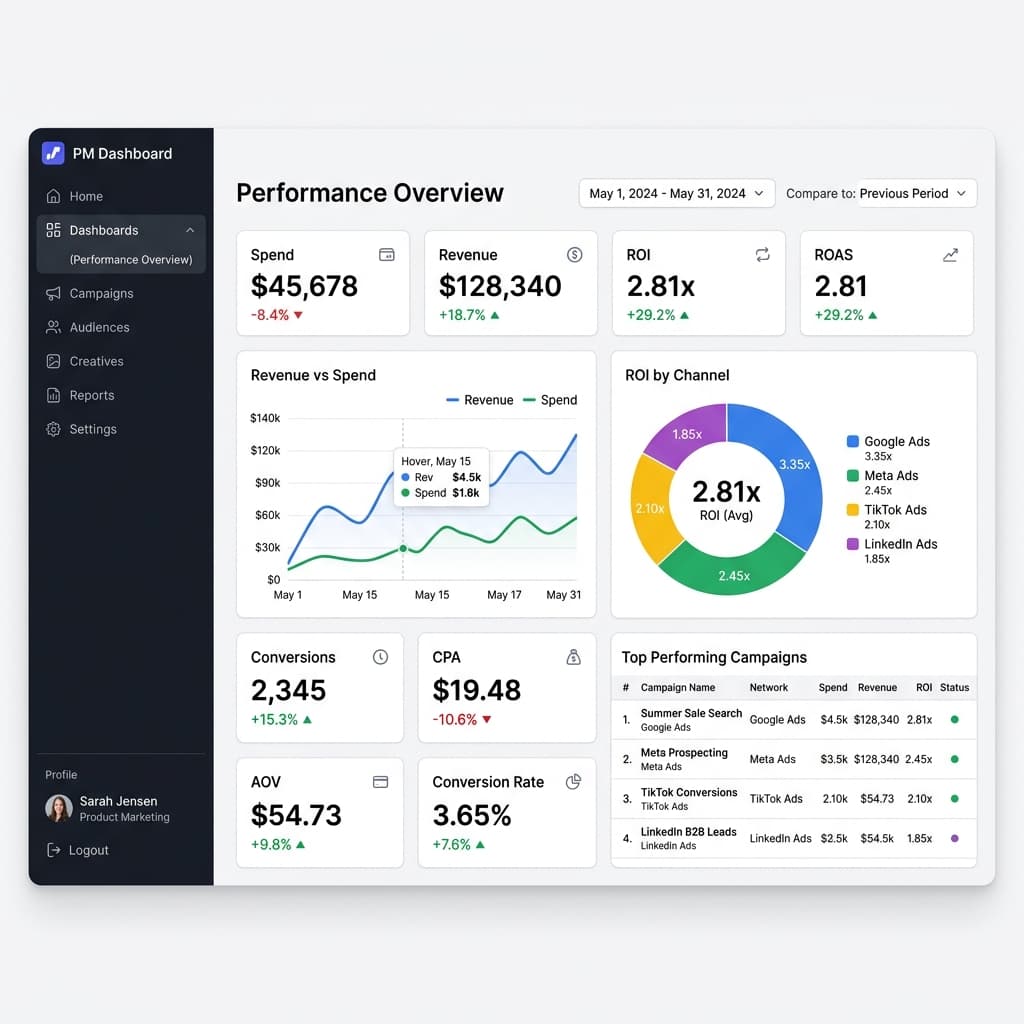
Tracking the right metrics keeps your campaigns aligned with business outcomes. Focus on these core KPIs for D2C ecommerce:
- Return on Ad Spend (ROAS) — revenue generated per dollar spent
- Cost Per Acquisition (CPA) — total ad spend divided by number of purchases
- Click-Through Rate (CTR) — indicator of ad relevance and copy quality
- Conversion Rate (CVR) — measures landing page and offer effectiveness
- Impression Share — how often your ads show vs. total eligible impressions
Review these weekly and optimize monthly. Avoid making reactive changes based on single-day data fluctuations.
Conclusion
Running Google Ads for a D2C brand is both an art and a science. From campaign architecture and bidding strategies to creative testing and audience segmentation, every element must work together to drive profitable growth. Investing in expert google ads management services — whether in-house or through a specialist agency — is one of the highest-leverage decisions a D2C brand can make.
If your brand is ready to move beyond guesswork and build a paid acquisition engine that scales, PERFORMAKS offers end-to-end Google Ads management tailored specifically for D2C ecommerce brands. Get in touch to learn how strategic paid search can transform your growth trajectory.
- #D2CGrowth
- #Marketing2026
- #Ecommerce