How to Measure AI SEO Success When Google Rankings Are No Longer Enough
Search is changing rapidly as AI-generated answers become part of the customer journey. Businesses can no longer measure organic success only by checking traditional Google positions. AI SEO services India are increasingly focused on visibility across AI-powered search experiences, qualified traffic, brand mentions, and conversions. For Shopify brands, this means SEO measurement must expand beyond rankings and consider how often products, categories, and brands appear in AI-generated recommendations.
Performaks helps businesses understand this changing search environment by combining traditional SEO measurement with newer AI-focused visibility signals.
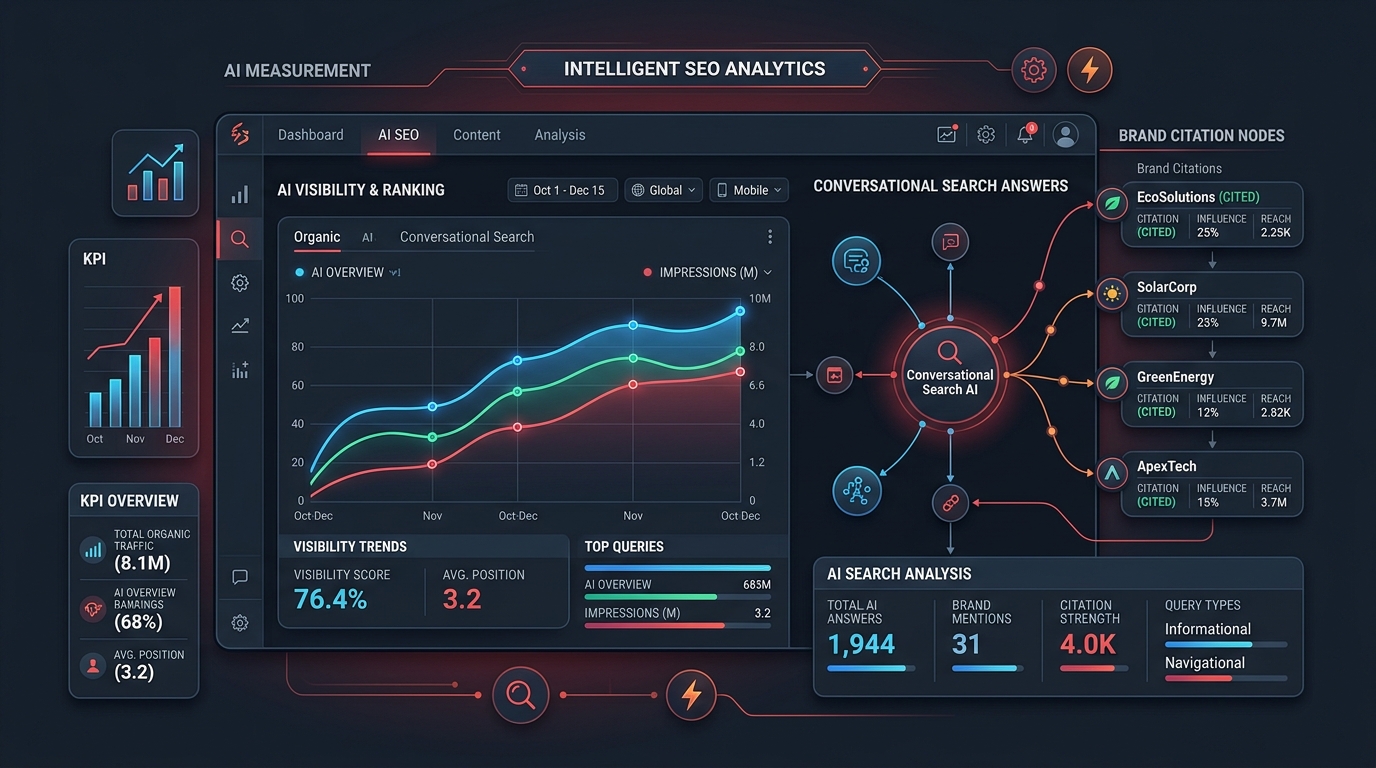
Why Google Rankings Are No Longer the Only SEO Metric
For years, SEO teams primarily monitored keyword rankings, organic traffic, impressions, and clicks. These metrics remain useful, but AI-powered search can provide users with direct answers without requiring them to visit multiple websites.
As a result, a website might maintain strong rankings while receiving fewer clicks for informational searches. This does not necessarily mean that SEO has stopped working. Instead, the search journey is becoming more complex.
Businesses should therefore track a broader set of indicators that show whether their content is being discovered, referenced, and trusted across different search experiences.
Track Visibility in AI-Generated Answers
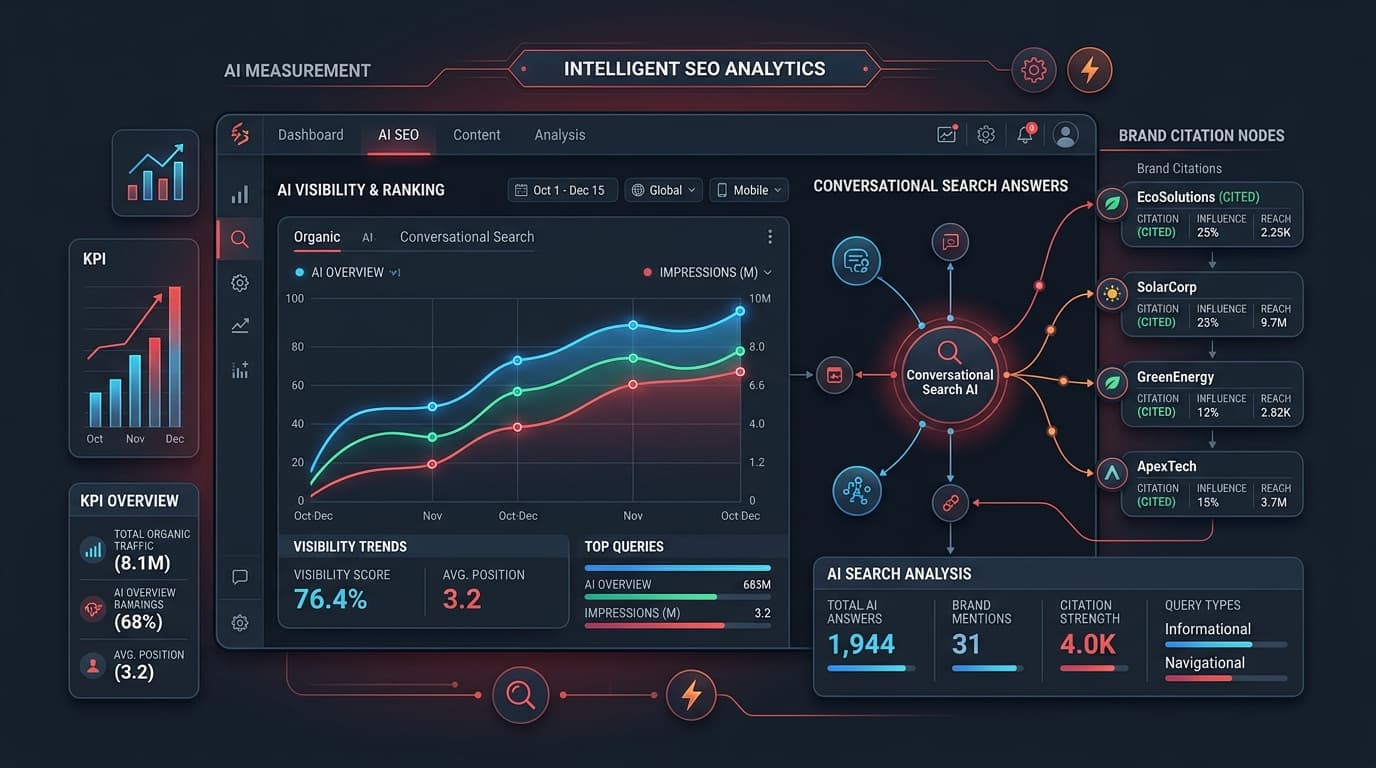
One important measurement is whether your brand or website appears in AI-generated search responses. AI-powered search experiences can summarize information from multiple sources and present users with a direct answer.
Monitor whether your business is mentioned when potential customers ask questions related to your products, services, or industry.
Useful measurements include:
- Brand mentions in AI responses
- Product mentions
- Citations or linked sources
- Frequency of appearance for target queries
- Changes in AI visibility over time
These signals can complement traditional ranking data and provide a broader view of organic visibility.
Measure AI SEO Success Through Qualified Traffic
Traffic volume alone does not show whether SEO is delivering business value. A website receiving thousands of visitors may generate fewer leads or sales than a website receiving a smaller number of highly relevant visitors.
AI-driven search can influence users at different stages of the buying journey. Someone discovering a brand through an AI-generated recommendation may arrive with stronger purchase intent.
Track metrics such as:
- Engaged sessions
- Product-page visits
- Add-to-cart actions
- Checkout starts
- Leads
- Revenue from organic visitors
These metrics help connect search visibility with actual customer behavior.
Build an AI Overview SEO Strategy for Shopify Brand
An AI overview SEO strategy for Shopify brand should focus on creating content that clearly answers customer questions while providing useful product and category information.
Shopify stores should make important information easy for search engines and AI systems to understand. Product descriptions, category pages, buying guides, FAQs, comparison content, and supporting articles can all contribute to a stronger search presence.
Content should provide clear answers rather than simply repeating keywords. Structured information, descriptive headings, relevant internal links, and helpful product details can make ecommerce content easier to interpret. Establishing a robust technical SEO foundation ensures search engine crawlers and AI indexers can parse, render, and surface your store catalog without indexation blockers.
Monitor Brand Mentions and Product Visibility
Brand visibility is becoming increasingly important in AI-driven search. Users may discover a company through an AI answer before they ever search for its name directly.
For this reason, businesses should monitor branded and non-branded queries.
For example, a Shopify skincare brand could track questions such as:
- What are the best skincare products for dry skin?
- Which brands offer vitamin C serums?
- What should I look for in a face moisturizer?
- Which skincare products are suitable for sensitive skin?
The objective is to understand whether the brand is being surfaced when users ask commercially relevant questions.
Compare Traditional SEO With AI Search Metrics
Traditional SEO metrics should not be abandoned. Instead, they should be combined with AI-search indicators.
| Traditional SEO Metric | AI SEO Metric |
|---|---|
| Keyword ranking | AI response visibility |
| Organic clicks | AI-referred visits |
| Search impressions | Brand mentions |
| Backlinks | Citations and references |
| Organic conversions | AI-assisted conversions |
This combined approach provides a more complete picture of search performance.
Measure Content Quality and Topic Coverage
AI search tends to favor information that directly addresses user needs. Therefore, content measurement should include more than keyword frequency.
Evaluate whether your website covers important topics across the customer journey. A strong content strategy may include educational guides, product comparisons, FAQs, troubleshooting content, and purchase-focused pages.
Topic coverage can reveal content gaps that traditional keyword tracking may overlook. It also helps brands build authority around important subjects instead of creating isolated pages targeting individual keywords.
Track Conversions Instead of Rankings Alone
Ultimately, SEO should contribute to meaningful business outcomes. Rankings can indicate visibility, but revenue, leads, subscriptions, and purchases show whether that visibility is producing value.
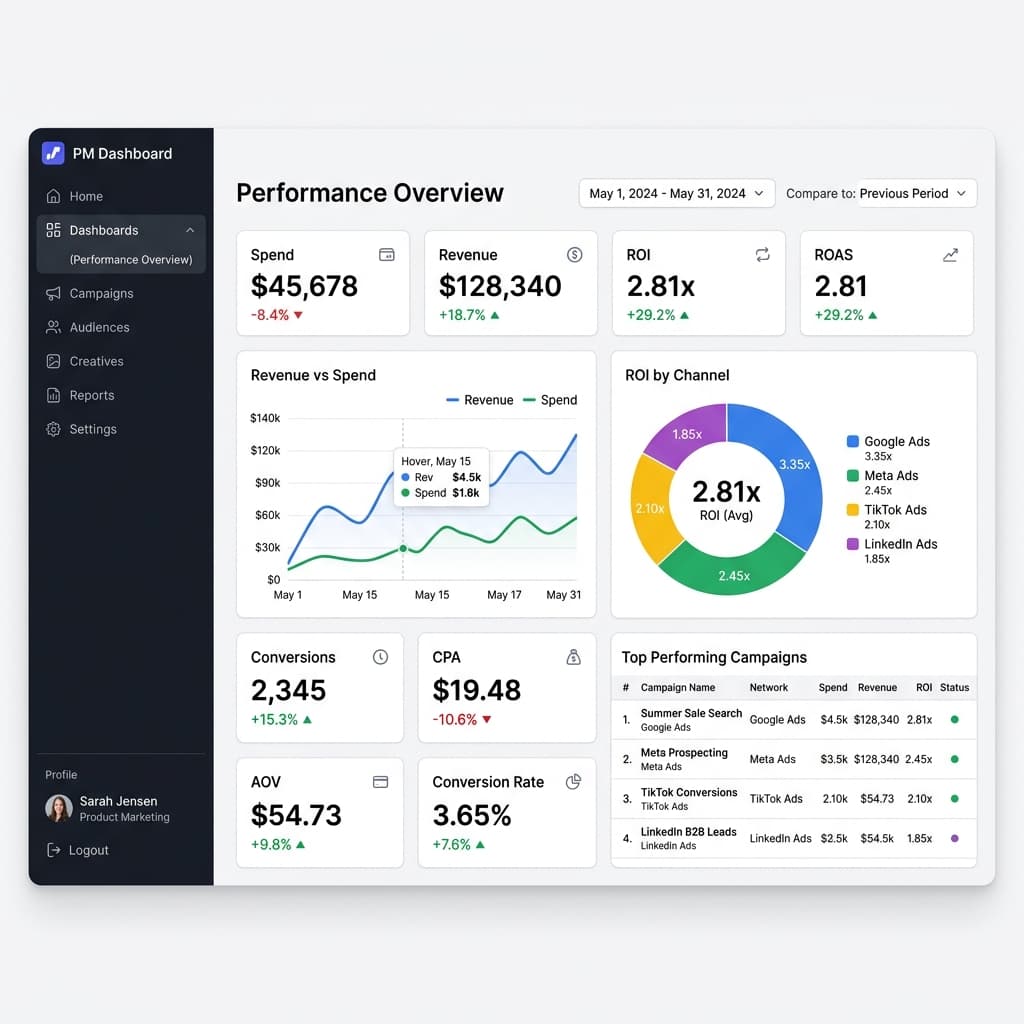
For ecommerce brands, connect organic search data with ecommerce analytics. Monitor product views, add-to-cart rates, conversion rates, average order value, and revenue.
This approach helps marketing teams understand which content attracts valuable customers and which pages require further optimization.
The Future of AI SEO Measurement
AI is changing how people discover information, products, and brands. As search experiences become more conversational, businesses will need broader measurement frameworks that combine rankings, visibility, citations, traffic, engagement, and conversions.
The goal is not simply to appear at the top of a traditional results page. It is to become a useful and trusted source across the search journey.
By combining traditional SEO fundamentals with AI-focused measurement, Shopify and D2C brands can better understand where their organic growth is coming from and where new opportunities exist.
Performaks helps brands adapt their SEO strategies to evolving search behavior by focusing on measurable visibility, relevant content, and sustainable organic growth.
- #AISEO
- #SEO
- #AISearch
- #EcommerceSEO
- #ShopifySEO
- #GoogleRankings